
Sunrise on Le Pouce
Le Pouce at dawn is the mountain at its best. The air is clearest before the day’s cloud builds, the summit is empty, and the light comes up behind the Moka Range and spreads across Port Louis and the harbour below you. It takes planning, a head torch and a start in the dark from Petit Verger about 90 minutes before sunrise, and the final scramble should wait for the first grey light. This page gives the timings by month and the honest cautions.
Read the guide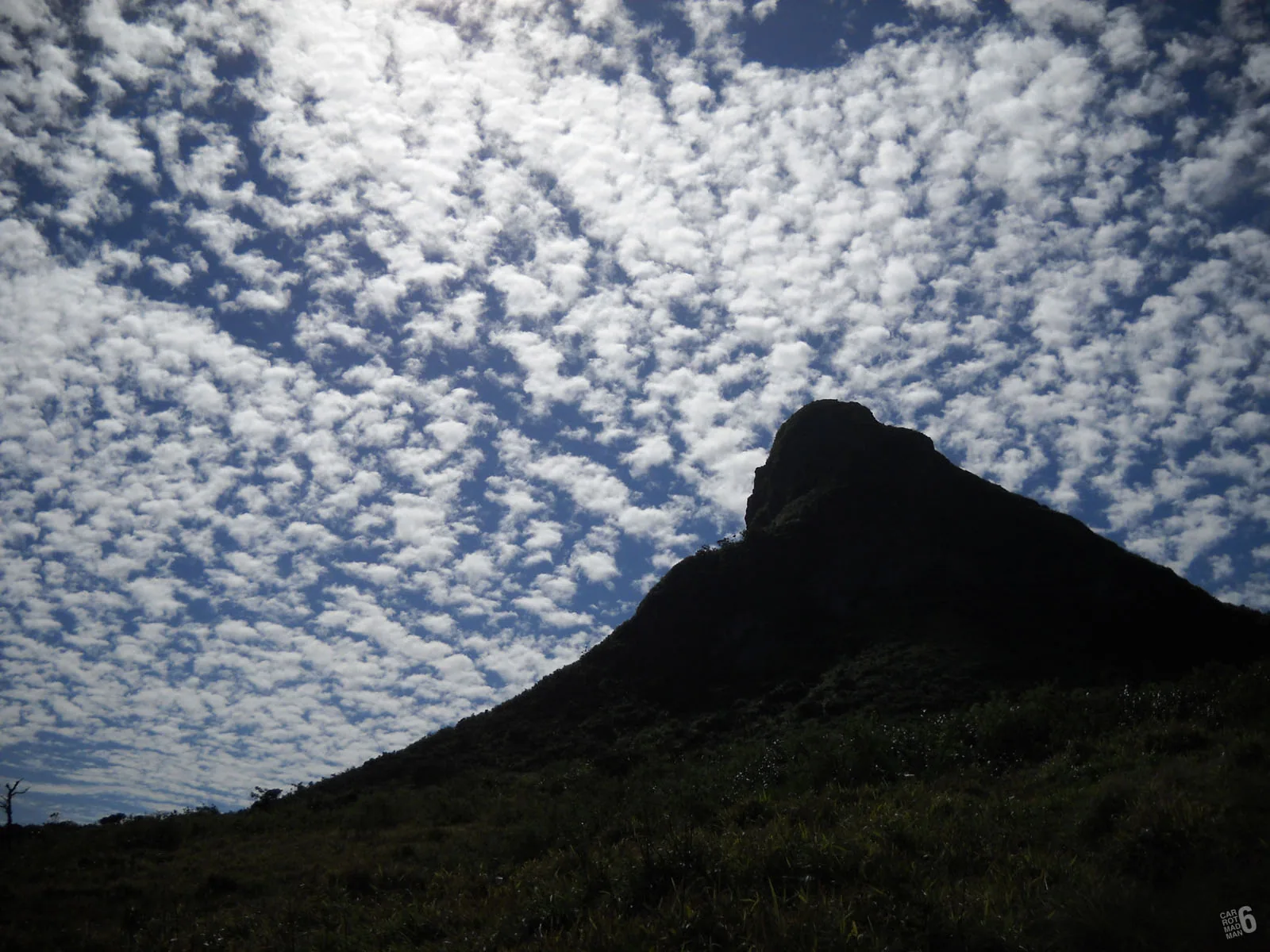
Why climb for sunrise
Three things make dawn worth the alarm on Le Pouce. The first is cloud. The summit stands high enough to gather its own cap of cloud by mid-morning on many days, and the hours around sunrise are the most reliable window for a clear view. The second is the summit itself, a rock platform that seats about six and is climbed every day of the week. At first light you will have it to yourself or share it with a handful of others. The third is the light. Port Louis lies directly below to the north-west, and the sun rising behind you lights the city, the harbour and the northern plain while the ridge of the Moka Range stays in silhouette.
It is also cooler, which matters on the open track through the cane, and quieter at the car park, which fills at weekends. A dawn climb leaves the whole day free for Moka, Eureka House or the capital.
Timing the climb, step by step
The plan below assumes the Petit Verger start, which is the only sensible one in the dark. The Port Louis route is twice as long, passes through the edge of the city and has seen robberies at Le Dauguet, so leave it for daylight.
Work back from sunrise
Find the sunrise time for your month in the table below. Most people reach the shoulder in under an hour and the summit in about 1 hour 15 to 1 hour 45, so leaving the car park about 90 minutes before sunrise puts you on the shoulder with time to spare and on the summit as the sun appears.
Drive in the dark
The farm road turn-off at the sharp bend after the mosque on the B47 is hard to find in daylight and harder at night. Save the GPS position, roughly -20.2076, 57.5270, and drive slowly up the farm road. Go with company. Robberies have been reported on the mountain in recent years and a dark car park is not the place to be alone.
The farm track and the forest by head torch
The first half kilometre to the kiosk is wide and easy by torchlight. The forest switchbacks above it are rooty and sometimes muddy, and this is where you move slowly and watch each waymark, because the blue and white paint shows well in a beam but junctions are easy to miss.
Wait for grey light on the shoulder
Aim to be on the grassy shoulder at about 625 m roughly half an hour before sunrise. The sky lightens about twenty minutes before the sun appears, the mirror of the short tropical dusk, and that is the moment to start up the thumb. Do not attempt the trench and the rock step in full darkness.
The summit as the sun comes up
The last hundred metres take ten to fifteen minutes. Sit down on top, put on your layer and watch. The wind at 812 m before sunrise is cold by Mauritian standards and the rock is often damp, so keep bags against the rock and stay seated.
Down in daylight
Descend once the light is full. The rock step is easier to read going down in daylight than it was going up in the half dark, and you will meet the first of the day’s walkers on the switchbacks. Allow about an hour to the car.
Sunrise and sunset by month
These are representative times for Port Louis, which is close enough to the mountain for planning. Mauritius has no daylight saving and is on UTC+4 all year, so the times do not jump in spring or autumn. The summit sees the sun a little before the city because of its height, and loses it a little later.
Day length runs from about 10 hours 55 minutes in June to 13 hours 21 minutes in December. A winter sunrise climb means leaving the car park around 05:15 in June or July. A summer one means leaving at about 03:50 in November, which is one reason most people do this in the cooler months, when the start is more civilised and the view more likely.
| Month | Sunrise | Sunset |
|---|---|---|
| January | 05:42 | 18:55 |
| February | 06:01 | 18:46 |
| March | 06:12 | 18:25 |
| April | 06:20 | 17:59 |
| May | 06:31 | 17:41 |
| June | 06:42 | 17:38 |
| July | 06:45 | 17:46 |
| August | 06:31 | 17:57 |
| September | 06:06 | 18:04 |
| October | 05:39 | 18:12 |
| November | 05:22 | 18:26 |
| December | 05:24 | 18:45 |
Where the sun comes up
From the summit the sun rises over the eastern side of the island, behind the main ridge of the Moka Range. Its exact point moves with the season. In the winter months around June it comes up north of due east, close to the line of Pieter Both, whose balanced boulder stands under 3 km away to the east-north-east and makes a fine silhouette. In the summer months around December it rises well south of east, over the plateau. Either way the light reaches Port Louis, the harbour and the northern plain in front of you, with Coin de Mire and Île Plate on the horizon on a clear day.
Because the sun is behind you as you look at the capital, the best photographs of the city come in the first half hour after sunrise, while the thumb and the ridge make the frame for anyone shooting back towards the light. The photography page goes into the angles.
Cloud caps and what dawn weather does
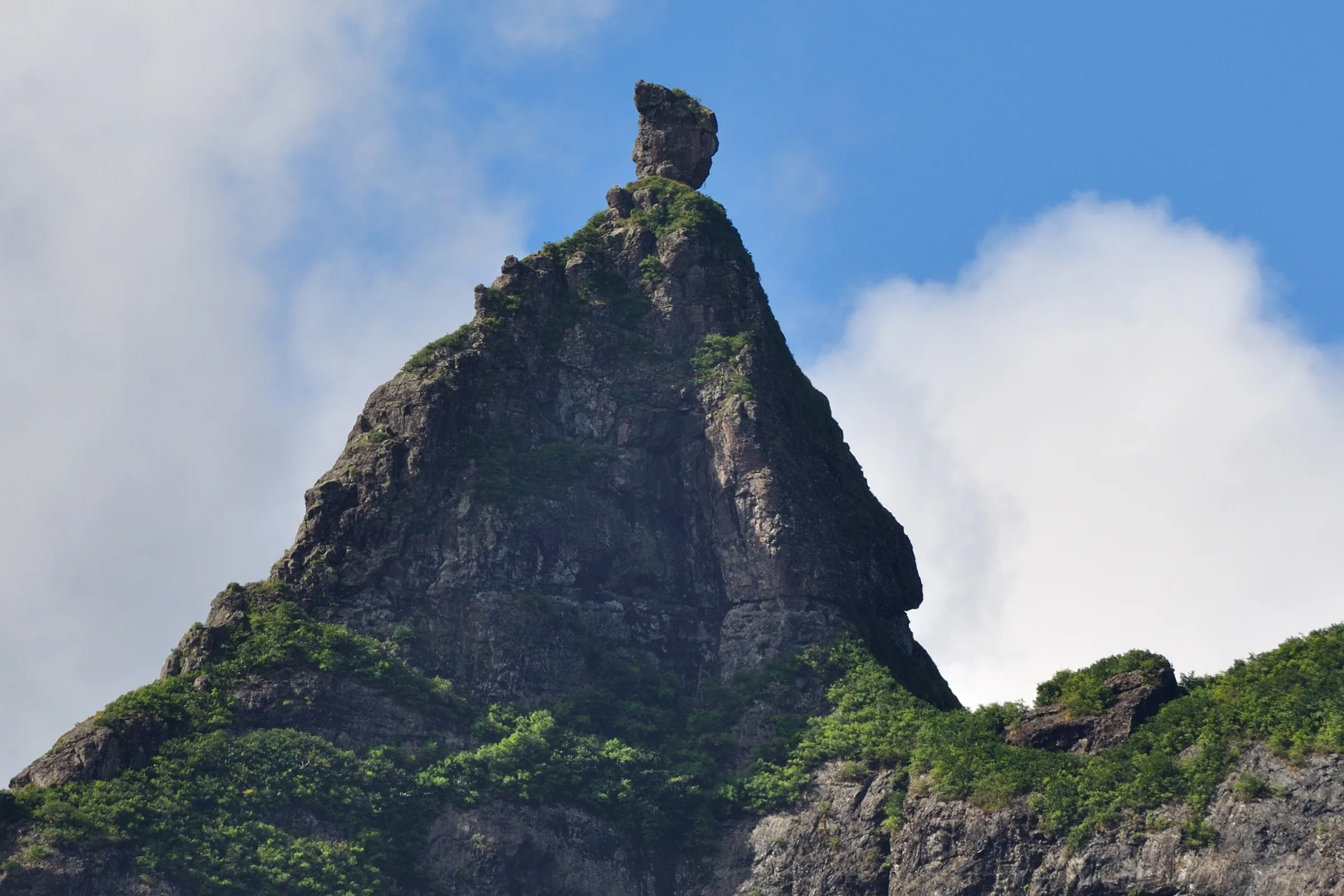
The honest caveat is that dawn does not guarantee a view. Le Pouce is high enough to make its own weather, and the cloud forest on its upper slopes exists precisely because cloud sits on the summit so often. Hikers have climbed the Port Louis route to find the top completely clouded over, and morning fog has made the final section slippery enough to be reported in the press. The panel in this section shows the current conditions for the summit area, and it is worth a look the evening before and again when the alarm goes.
If the thumb is in cloud when you reach the shoulder, wait there. Caps often lift for a few minutes as the sun warms the air, and the shoulder itself has most of the view. If the wind is strong or the rock is streaming, give the summit a miss. Nobody has ever regretted watching sunrise from the shoulder, and plenty of people have regretted pressing on.
Today on Le Pouce
Reading the forecast for the summit…
Head torch, layers and a cold wind at 812 m
The summit is about 800 m above sea level, which by a standard lapse rate makes it roughly 5 °C cooler than Port Louis at the same hour. That is an estimate, because nobody has published measured temperatures from the top, but in July, when the capital’s night minimum averages about 16 °C, a windy summit before dawn feels genuinely cold to anyone dressed for the beach.
- A head torch with fresh batteries, and a second light or a charged phone as backup. Hand-held torches leave you one hand short on the switchbacks.
- A windproof layer and something warm underneath for the summit wait, which you will take off again within half an hour of sunrise.
- Shoes with grip. The rock is often damp at dawn even on a clear morning.
- At least 1.5 litres of water per person and a small breakfast to eat on top.
- The GPX from the map page downloaded to your phone, with offline map tiles for the Moka area.
There is no organised sunrise departure
Guided hikes of Le Pouce exist, with licensed guides and hotel pick-ups, but every listing we found starts between about 07:00 and 08:30 in the morning. We found no operator advertising a dedicated sunrise departure as of October 2026. If you want a guide for a dawn climb, ask one privately and expect to negotiate the early start, or organise the morning yourself with the route downloaded and at least one companion.
That companion matters more at dawn than at any other time. The mountain is safe for the many hundreds who climb it every week, but there have been robberies on its paths in recent years, and an empty car park in the dark is where you are most vulnerable. Go as a group, leave nothing in the car and keep your phone in a pocket until you are on the forest path. The safety page has the emergency numbers and the incidents in detail.
The evening alternative, and the short dusk
If a four o’clock alarm is too much, the evening gives a different show. The sun sets over the west, beyond Port Louis and the harbour, and the city lights come on below you as the sky fades. The catch is dusk. Near the tropics night falls in about twenty minutes, and sunset is as early as 17:38 in June. Be off the thumb and on the shoulder before the sun touches the horizon, carry a head torch for the forest switchbacks and leave the car park with enough light to find the farm road.
The sunset times in the table above are the ones to work from. Add an hour for the descent from the shoulder, and remember that the car park and the farm road are quieter in the evening than at dawn, which is pleasant for the walk and less so for the car.
Questions people ask
What time should I start Le Pouce for sunrise?
Leave the Petit Verger car park about 90 minutes before sunrise. That puts you on the shoulder at about 625 m roughly half an hour before the sun, when the sky is starting to lighten, and on the summit as it appears. Sunrise ranges from about 05:22 in November to 06:45 in July, so a winter start is around 05:15 and a summer one closer to 03:50.
Is it safe to climb Le Pouce in the dark?
The path to the shoulder is manageable by head torch for experienced walkers in a group, but the trench and rock step on the thumb should wait for first light. The bigger concern is personal security. Robberies have been reported on the mountain in recent years, so never go alone, leave nothing in the car and keep your phone out of sight. Police are on 999 or 112.
Is there a sunrise tour on Le Pouce?
Not that we could find. Guided hikes exist, but the listings we checked start between about 07:00 and 08:30, after sunrise in every month. If you want a guide at dawn, ask a licensed guide privately and agree the early start. Otherwise organise it yourself with the route downloaded, a head torch and at least one companion.
Which direction does the sun rise from the summit?
Over the east, behind the main ridge of the Moka Range. Around June it rises north of east, close to the line of Pieter Both, which stands under 3 km away to the east-north-east. Around December it rises well south of east, over the plateau. Port Louis and the harbour lie to the north-west, so the city is lit by the rising sun behind you.
What time is sunrise in Mauritius?
Between about 05:22 in November and 06:45 in July, with sunset between about 17:38 in June and 18:55 in January. Mauritius has no daylight saving and stays on UTC+4 all year. The table on this page gives representative times for each month for Port Louis, which is close enough to Le Pouce for planning a climb.
Can I watch the sunset from Le Pouce instead?
Yes, with care. The sun sets over the west beyond Port Louis, and the city lights come on below you. Dusk lasts only about twenty minutes, so be off the thumb and on the shoulder before the sun reaches the horizon, carry a head torch for the forest and allow about an hour from the shoulder to the car. Sunset is as early as 17:38 in June.
Check the weather first
The weather page explains the cloud cap, the wind on the thumb and the months that give the clearest dawns, with the live summit panel.